 Skip to content
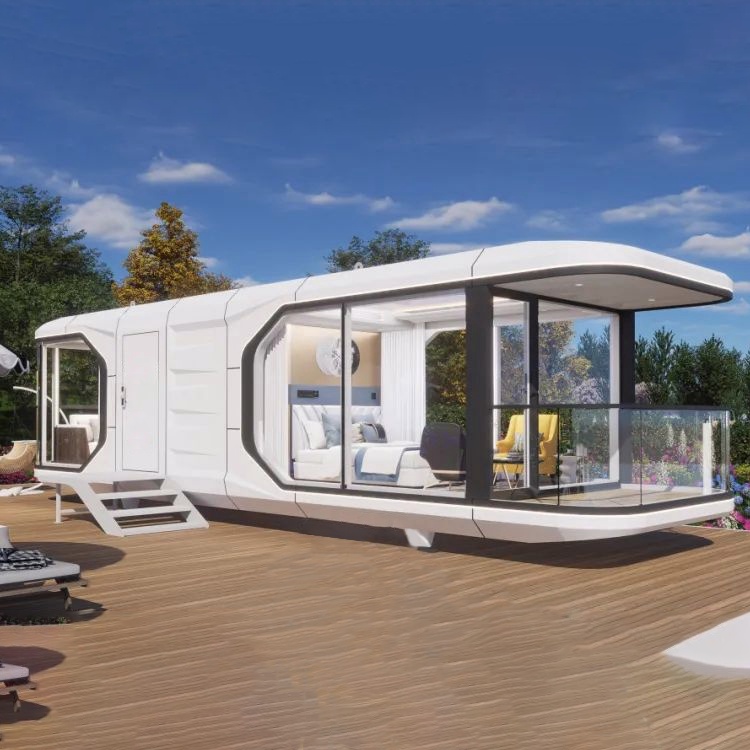
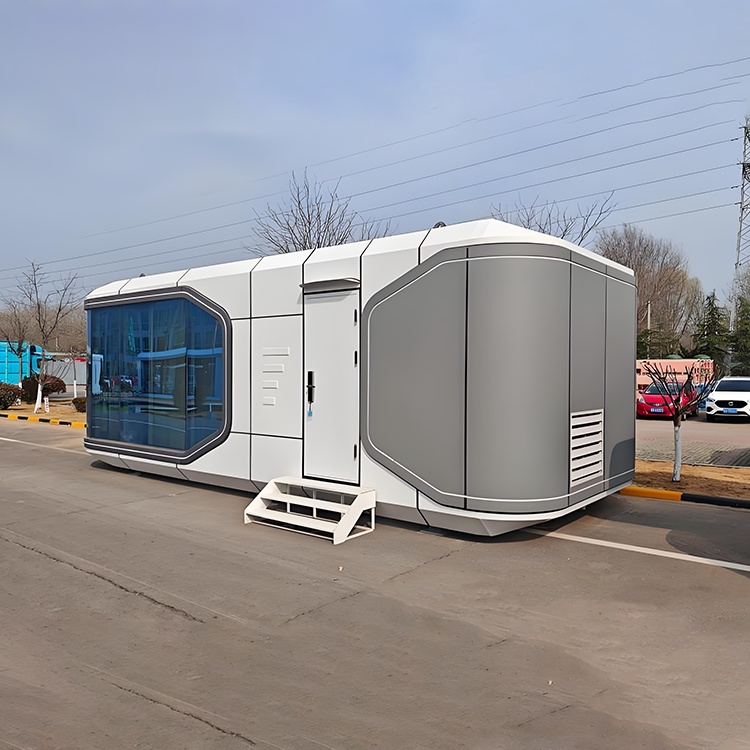
The rise in popularity of capsule houses reflects a growing demand for affordable, sustainable, and space-efficient living. Designed to maximize functionality while minimizing environmental impact, these compact homes appeal to individuals seeking flexibility without sacrificing comfort.
However, before committing to building a capsule house, it is essential to understand the legal framework that governs them.
Capsule houses—often categorized as tiny houses—are legal in many regions, but legality varies widely by location. Local zoning laws, building codes, and permit requirements determine where and how a capsule house can be built, used, and occupied.
This guide explains the key legal considerations, provides a practical checklist, and offers strategies to help ensure your capsule house project remains fully compliant.
1. Legal Checklist for Capsule Houses
Before construction begins, understanding local legal requirements is critical. While zoning laws and building codes can seem complex, breaking them down into clear steps makes the process far more manageable.
i) Understanding Zoning Laws for Capsule Houses
Zoning laws determine where and how a capsule house can be built.
These regulations may control:
-
Approved locations
-
Maximum height and size
-
Exterior appearance
-
Utility connections
In some regions, capsule houses are permitted in rural or suburban zones but restricted in dense urban areas. In the United States, for example, many municipalities limit tiny homes to designated zones or accessory dwelling unit (ADU) classifications.
Common Zoning Considerations
Location Restrictions
Local governments define where capsule houses may or may not be placed. Some jurisdictions restrict tiny homes to specific districts or prohibit them entirely outside approved developments.
Size and Height Limits
Most regions impose maximum square footage and height requirements. If local regulations limit ADUs to a certain size—such as 400 square feet—your capsule house must comply.
Design Compatibility
Many zoning codes require new structures to visually align with surrounding buildings. Exterior materials, roof styles, and color palettes may need to blend with the neighborhood to preserve visual harmony.
Utility and Safety Standards
Plumbing and electrical systems must meet local safety codes. These requirements exist for a reason—faulty electrical systems remain a leading cause of residential fires, making compliance essential.

How to Navigate Zoning Laws Effectively
To simplify the zoning process:
-
Research Local Regulations
Check municipal zoning maps and planning documents to confirm whether capsule houses are permitted and under what conditions. -
Consult Zoning Officials and Professionals
Speaking directly with zoning officers, architects, or contractors experienced in tiny homes can prevent costly misunderstandings later. -
Prepare Complete Permit Applications
Submit accurate site plans and construction drawings. Missing or incorrect paperwork is one of the most common reasons permit applications are delayed. -
Follow Up Regularly
Staying in contact with local authorities ensures issues are resolved quickly and approvals move forward smoothly.
ii) Building Codes for Capsule Houses Explained
Building codes ensure that capsule houses are safe, durable, and suitable for long-term use. These regulations govern materials, construction methods, and utility systems.
Key Building Code Requirements
Structural Stability
Capsule houses must withstand environmental forces such as wind, storms, and seismic activity. Using certified materials and sound engineering is critical for safety.
Fire Protection
Smoke detectors, alarms, and fire-resistant materials are mandatory in most regions. Proper fire safety systems significantly reduce risk and save lives.
Ventilation and Air Quality
Good airflow is essential in compact spaces. Windows, vents, and exhaust systems help maintain healthy indoor air quality.
Insulation and Energy Efficiency
Insulation standards for walls, roofs, and doors reduce energy consumption and improve year-round comfort.
Plumbing and Electrical Systems
All wiring and piping must be installed by licensed professionals to meet safety standards and prevent hazards such as leaks or electrical faults.
Eco-Friendly Materials
Some regions require or encourage low-carbon and sustainable materials, reducing environmental impact while improving long-term efficiency.
Accessibility Considerations
Features such as wider doorways or step-free entry enhance long-term usability and may be required in certain jurisdictions.
iii) Navigating the Permit Process
Securing permits is a vital step in capsule house construction.
Permit Approval Steps
Step 1: Prepare Detailed Plans
Hire qualified professionals to create designs that meet zoning and building code requirements.
Step 2: Submit Documentation and Fees
Ensure all forms, drawings, and fees are submitted correctly to avoid processing delays.
Step 3: Communicate with Authorities
Stay responsive to feedback and be prepared to revise plans if required.
Step 4: Approval and Construction
Once approved, follow permit conditions precisely throughout construction to avoid penalties.
2. Key Strategies for Smooth Capsule House Development
Beyond legal compliance, strategic planning can significantly improve project outcomes.
i) Work with Experienced Professionals
Architects and contractors specializing in tiny or modular housing understand regulatory requirements and can anticipate challenges before they arise.
ii) Engage the Local Community
Open communication builds trust. Sharing your plans, listening to feedback, and respecting neighborhood character can reduce opposition and speed approvals.
iii) Choose Flexible and Compliant Designs
Modular and multi-purpose layouts maximize space efficiency while remaining adaptable to legal standards. Sustainable materials often align with modern building codes.
iv) Incorporate Smart and Energy-Efficient Systems
Smart HVAC, lighting, and renewable energy solutions improve comfort, reduce costs, and support regulatory compliance.
v) Stay Organized and Proactive
Maintain clear records of permits, drawings, and approvals. Regular follow-ups with officials help prevent unnecessary delays.
Conclusion
Capsule houses offer an exciting path toward compact, sustainable living—but legal compliance is essential. By understanding zoning laws, building codes, and permit requirements, you can move forward with confidence and avoid costly setbacks.
With careful planning, professional support, and proactive communication, building a capsule house can be a smooth and rewarding experience that fully aligns with local regulations and long-term living goals.
